
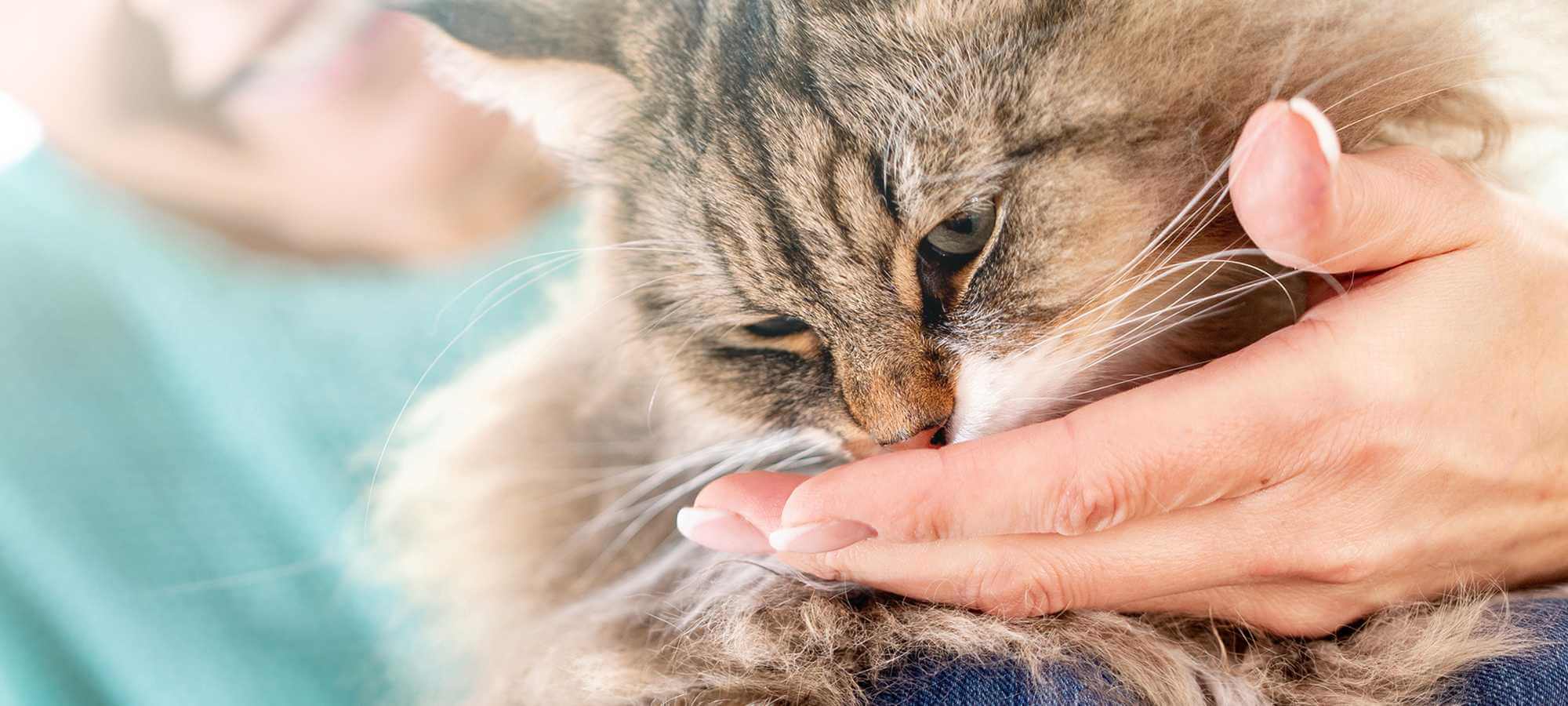
Tips for Keeping Senior Pets Healthy This Winter

When things get chilly—or at least less warm and humid than they are in the summer—it’s the oldest pets among us who tend to suffer the consequences. Here’s what the team at Caring Paws Animal Hospital wants you to know about senior pet care in the winter months.
Cold Weather Pet Tips
1. Keep Pets Warm, But Not Overheated
Senior pets are more sensitive to changes in temperature than younger animals. With their arthritic joints, thinner coats, and slower circulation, it’s harder for them to regulate their own body heat.
To help your pet avoid getting too cold, keep your senior dogs and cats inside whenever temperatures drop below 32°F. In the house, keep their bedding away from doors that get opened regularly or from windows, which allow a bit of that crisp air into the house.
Consider a self-heating pet pad or bed to help your elderly dog or cat stay warm in the winter.
2. Protect Aging Joints and Mobility
Cold weather can make your pet’s joints feel stiff and achy. But this doesn’t mean your pet shouldn’t move at all!
Gentle, low-impact exercise like short walks or light play indoors can help your pet stay flexible without overly straining those joints. You can try using ramps or non-slip mats to make it easier for them to safely move around.
Ask your veterinarian about using joint supplements like glucosamine, chondroitin, or omega-3 fatty acids to your senior pet care plan.
3. Monitor Your Pet’s Weight and Nutrition
Just as it does in adults, a pet’s metabolism changes with age. While some senior pets burn fewer calories in the winter due to reduced activity, others need a little bit more fuel to stay warm. Ask your veterinarian what strategy would work well for your pet’s unique needs, or if your pet might need a special diet to support their muscle and organ health.
4. Keep An Eye Out for Subtle Health Changes
It’s all too easy to blame cold weather for any unusual symptoms in your pet. Schedule a winter wellness exam to make sure you’re not inadvertently ignoring any concerning signs of deeper issues. Regular bloodwork, dental exams, and weigh-ins are key for making sure your senior pet stays healthy.
Keep an eye out for any signs of something being amiss—like a reluctance to go outside, any fatigue after minor exercise, or extra sleepiness. Make note of when the symptoms happened and what context they happened in, and then bring those notes to the vet.
Winter Pet Care in Odessa, FL
Older dog health and senior cat wellness in winter rely on keeping a keen eye on your pet’s behavior and bringing any concerns to your vet right away. The experienced team at Caring Paws Animal Hospital in Odessa is here to help!
Call us at (813) 723-7297 to schedule a senior wellness appointment today.