February Pet Dental Care Tips for Odessa Pets
February is Pet Dental Health Month, which makes it the perfect time for Odessa pet parents to take a closer look at their pets’ teeth and gums. Good pet dental care does a lot more than improve that deliciously stinky doggy breath. It also supports your pet’s overall oral health.
Here’s a startling statistic: according to the American Veterinary Medical Association, most dogs and cats show signs of dental disease by age three.
Your pet doesn’t have to be one of them! Here’s what the team at Caring Paws Animal Hospital wants you to know about this important piece of February pet wellness.
Why Dental Health Matters
When dental issues go untreated, the bacteria in your pet’s mouth can affect their organs, particularly the heart and the kidneys. We know it seems like oral health stops at the mouth, but it doesn’t.
This is because periodontal disease lets bacteria slip beneath the gumline and enter the bloodstream. Once they begin circulating, these bacteria can travel to vital organs, causing inflammation and infection there and elsewhere in the body.
Veterinary research has linked advanced dental disease with heart valve problems, kidney dysfunction, and other concerning health issues.
Over time, chronic inflammation in the mouth also strains your furry family member’s immune system, leaving her more vulnerable to illness.
Make Dental Care a Habit
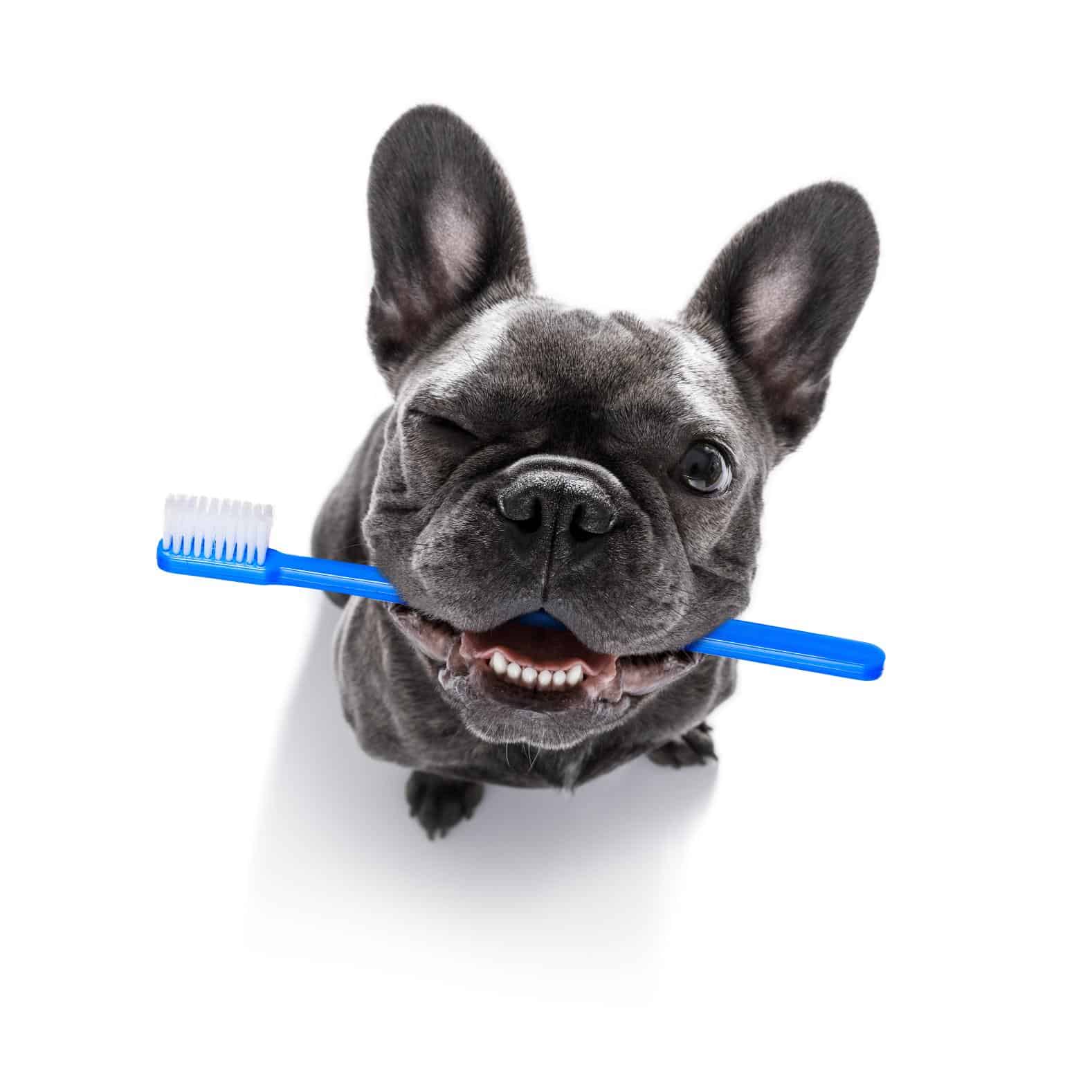
The most effective way to prevent plaque buildup, dental disease, and potential related infections throughout the body is to brush your pet’s teeth. Ideally, you should be brushing those pearly whites once a day.
But even remembering to do it two or three times a week is far better than never brushing at all.
If brushing is difficult to fit into your routine, consider:
- Dental chews approved by the Veterinary Oral Health Council
- Dental wipes
- Water additives
- Diets formulated to reduce plaque and tartar buildup
These options help support your pet’s oral health, but they don’t replace the other crucial habit: once-yearly professional veterinary cleanings.
During a dental cleaning and exam, your veterinarian gets a deep look at your pet’s dental health both above and beneath the gumline. A thorough cleaning and exam go a long way toward preventing minor issues from turning into critical ones.
Spotting Early Signs of Dental Trouble
Between those routine cat and dog teeth cleanings, keep an eye out for any signs of periodontal disease, including:
- Persistent bad breath
- Yellow or brown buildup on your pet’s teeth
- Swollen, reddened gums
- Difficulty chewing
- Pawing at the mouth
- Sudden aversion to kibble—and preference for softer foods
Dental disease can be dangerous for your pet, and it’s also painful. The sooner you seek treatment, the happier your furry friend will be.
For a thorough dental cleaning and exam—plus treatment of any oral health issues—reach out to our experienced team at Caring Paws Animal Hospital. We’re just on the other side of the phone at (813) 723-7297.