
Beyond the Beach: Hidden Water Dangers for Odessa Pets
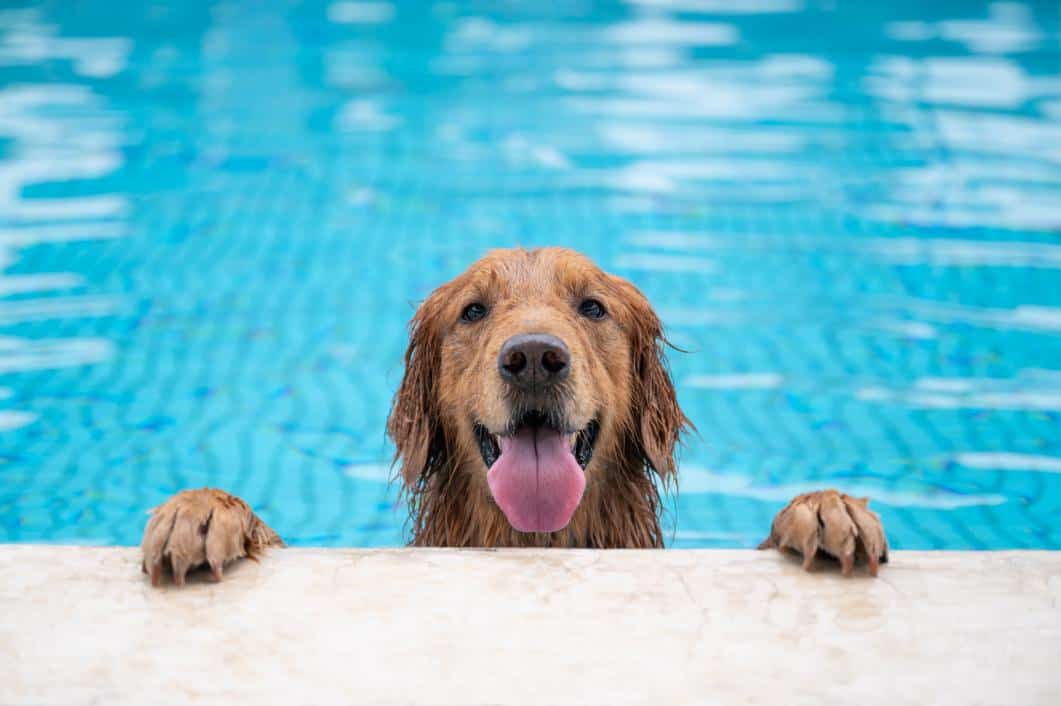
Does your dog love playing in water any chance she gets? Here in Odessa, we don’t have direct access to ocean beaches, but we do have plenty of lakes. But are they safe for your pet to go swimming in?
The team at Caring Paws Animal Hospital shares what you need to know about dog water safety in this corner of the Sunshine State.
Freshwater Isn’t Always All That Fresh
Lakes and ponds might look calm and inviting, but they can hold a whole host of icky bacteria (and alligators) that we don’t want our pets to meet. One of the most serious issues in our region of Florida is blue-green algae.
Also called cyanobacteria, these toxic organisms can easily and readily bloom in warm, nutrient-dense water. Especially during the hot, heavy summer months.
Toxic algae blooms can look like greenish-blue patches of scum on a lake or pond. Or, it can look like greenish water. If a dog drinks in this water, or swims in it, the toxins in the algae can directly affect your pet’s liver and nervous system.
Symptoms of toxic algae sickness can include vomiting, diarrhea, weakness, seizures, and even collapse. If you think your pet’s been exposed to toxic algae, seek immediate veterinary care.
Another concern with standing water in Florida is leptospirosis: a bacterial disease spread through the urine of infected wildlife, including rats and raccoons. (And yes, alligators.) We diagnose more leptospirosis cases than you might think. Symptoms can include fever, lethargy, vomiting, increased urination, and kidney or liver issues.
The best ways to avoid leptospirosis are to make sure your pup gets the leptospirosis vaccine, and to avoid letting her swim or drink out of any stagnant lakes or ponds.
Risks Hidden in Puddles and Ditches
Deep lakes and ponds are one source of potential water-related hazards, but they’re not the only ones. After a heavy rain or hurricane, you may notice new puddles of water near farmland and in ditches along the roadside.
Don’t let your dog drink out of these or play in them, either. Farm runoff can contain fertilizers and pesticides, and regular-old puddles can host all sorts of parasites. When it comes to drinking water, offering fresh water from the tap at home is the way to go. If you’re going to be out and about with Fido for a while, bring plenty of water to share with him, too.
As for swimming, avoid letting your pooch swim in stinky, foamy, or unusually-colored water. Stay current on all recommended vaccines, including leptospirosis, and seek veterinary care right away if your dog seems to be feeling ill after going for a swim.
The skilled team at Caring Paws Animal Hospital is here for your veterinary needs. Call us at (813) 723-7297 to schedule an appointment today.